★★★★☆4.5(276 reviews)
HOME Cactus 3D SVG: A Design Asset for Modern Editorial and Web Projects
First Impressions and Editorial Mood
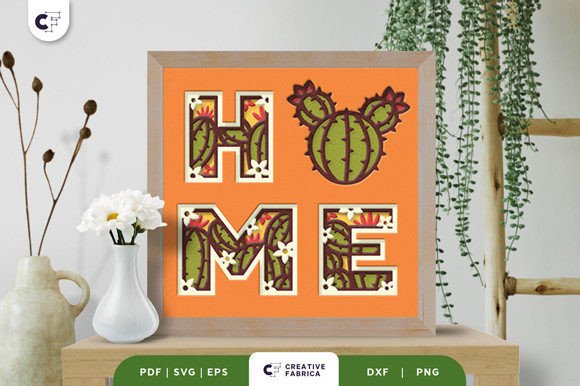
When I first saw the HOME Cactus 3D Shadow Box Paper Cut, it immediately caught my eye with its clever blend of organic shapes and clean typography. The intertwining cactus design with the word “HOME” is a fresh take on combining nature elements with lifestyle messaging. This graphic design asset exudes warmth, simplicity, and a subtle artistic flair that feels right at home in both digital and print editorial formats.Designing with Purpose: Where This Asset Fits In
As someone who works extensively with blog layouts and website visuals, I appreciate assets that can serve multiple publishing purposes without losing their impact. The HOME Cactus 3D Shadow Box Paper Cut is one such versatile design element. Here are some real-world applications where it shines:- Blog Featured Images: This cactus-themed 3D SVG adds a decorative touch to article headers while maintaining clarity. It’s ideal for topics like “How to Create a Cozy Home Office” or “Simple Ways to Bring Nature Indoors.”
- Pinterest Graphics: With its bold visual structure and layered shadow effect, it helps create Pinterest pins that stand out in a sea of flat images. The depth of the 3D SVG draws attention and encourages clicks.
- Newsletter Headers: Use it as a header for email newsletters focused on homesteading, plant care, or interior design. Its friendly aesthetic aligns well with content that promotes comfort and creativity.
- Digital Guides and Lead Magnets: Pair it with educational content about succulent care or home organization. The design supports the theme visually, making your downloadable resources feel more valuable and professional.
- Canva Templates: If you're designing templates for clients or personal use, this asset fits beautifully into layouts for social media posts, Instagram stories, or even printable home décor guides.
Boosting Content Performance Through Visual Design
- Stronger First Impression: The 3D layering gives it a tactile quality that makes it pop instantly. Readers are drawn in by the craftsmanship, which helps establish credibility from the get-go.
- Clearer Visual Hierarchy: The placement of “HOME” within the cactus silhouette naturally leads the viewer’s eye to the main message. This is especially useful when designing website banners or article thumbnails where quick readability is essential.
- Better Click-Through Potential: When used in social media previews or newsletter subject lines, the image becomes a visual hook. Its uniqueness increases curiosity and encourages users to click through to see what the content offers.
- Consistent Branding: For bloggers or small business owners focusing on home-related themes, this design reinforces brand identity across all platforms—from web headers to downloadable resources.
- Improved Reader Trust: A polished look like this builds trust quickly. It signals that the content behind the image is thoughtful, well-designed, and worth investing time in.
- Strong Category Recognition: If your site features categories like “Home Decor” or “Plant Care,” using this cactus-based design in category thumbnails or headers makes navigation intuitive and visually appealing.
- Professional-Looking Pages: Even if your site isn’t overly stylized, adding this 3D SVG to your layout can make your content feel more curated and editorial-grade.
Where This Asset Works Best
Here are some of the most effective places to integrate the HOME Cactus 3D Shadow Box Paper Cut into your content workflow:- Hero Images: Its intricate details and soft colors work well as background accents in hero sections, especially for lifestyle or wellness-focused websites.
- Article Thumbnails: On feeds or archives, it can help your articles stand out with a unique and recognizable visual motif.
- Pinterest Pins: As mentioned earlier, the 3D aspect adds dimension that stands out on Pinterest’s vertical format.
- Editorial Accents: Sprinkle it subtly into blog graphics or page dividers to add texture without overwhelming the reader.
- Content Upgrades: Use it on worksheet covers or digital download pages to enhance the perceived value of your lead magnets.
- Category Visuals: Assign it to sections related to home life, gardening, or DIY projects to create a cohesive visual language across your site.
- Social Media Previews: Especially for YouTube or podcast thumbnails, the design supports storytelling around home, sustainability, or self-care themes.
Use with Caution: Avoid These Pitfalls
While the HOME Cactus 3D Shadow Box Paper Cut is a strong visual, it’s not universally applicable. Here are a few scenarios where it might need tweaking or should be avoided altogether:- Small Mobile Thumbnails: The intricate paper-cut style may become unclear at smaller sizes. Always test it at mobile resolutions before finalizing use.
- Text-Heavy Blog Images: Don’t let the design overshadow your headline or subhead. Keep text minimal and legible, ensuring it complements rather than competes with the visual.
- Low-Contrast Backgrounds: To maintain readability and impact, avoid placing it on backgrounds that clash with its muted tones unless intentionally styled for contrast.
- BUSY Layouts: In complex designs with multiple elements, this asset could get lost. Use it sparingly to maintain focus and visual harmony.
- SERIOUS PROFESSIONAL NICHEs: If your blog caters to highly technical or corporate audiences, consider whether the playful cactus theme aligns with your brand voice.
- CORPORATE CONTENT: While it can work in some cases, the cactus design is better suited for lifestyle or creative entrepreneurs rather than formal business contexts.
- Minimalist Websites: If your brand relies on a very stripped-back visual system, this might not fit seamlessly. But for those aiming for a warm, approachable tone, it’s a great choice.
Practical Tips for Using This Graphic Design Asset
- Test Across Devices: Make sure the 3D SVG looks good on desktop, tablet, and mobile screens. Sometimes, shadows and layers can behave differently depending on the device.
- Check Thumbnail Versions: If you plan to use it in blog grids or social media carousels, ensure it still conveys the message clearly at reduced sizes.
- Preview in Real Context: Try it in your actual blog layout or Canva template to see how it interacts with other design elements and fonts.
- Pair with Headlines: Overlay your headline copy to test legibility and alignment. Choose font styles (serif, sans serif, script) that complement the cactus theme without clashing.
- Review Contrast and Readability: Especially if you're using it on darker or textured backgrounds, adjust opacity or color balance to preserve clarity.
- Try Black and White Variations: See how it holds up without color—this can help determine if it will work in grayscale environments like printables or certain social media filters.
- Optimize File Size: For web design efficiency, compress the SVG or PNG version appropriately to maintain fast load times, especially for featured images or digital downloads.
- Confirm Commercial Licensing: Before using this on monetized sites, affiliate marketing pages, or paid content products, always verify that the commercial license allows such use.
Final Thoughts for Content Creators
The HOME Cactus 3D Shadow Box Paper Cut is a standout graphic design asset that combines the charm of cacti and succulents with the elegance of 3D SVG. It’s a perfect fit for bloggers, digital marketers, and online educators who want to infuse their content with a sense of warmth and creativity.
⬇️ Download Free
Free download · No sign-up required
🔗 You Might Also Like
Cacti And Succulents
First Impressions and Branding Mood As a brand designer and content marketer, th...
Cacti And Succulents
As a brand designer with years of experience working on small business projects,...
Cacti And Succulents
As a professional graphic designer, I often find myself sifting through design a...
Home Decor
As a brand designer who’s worked with dozens of local businesses—from boutique s...
Flowers
As a professional graphic designer who regularly sources and evaluates design as...
